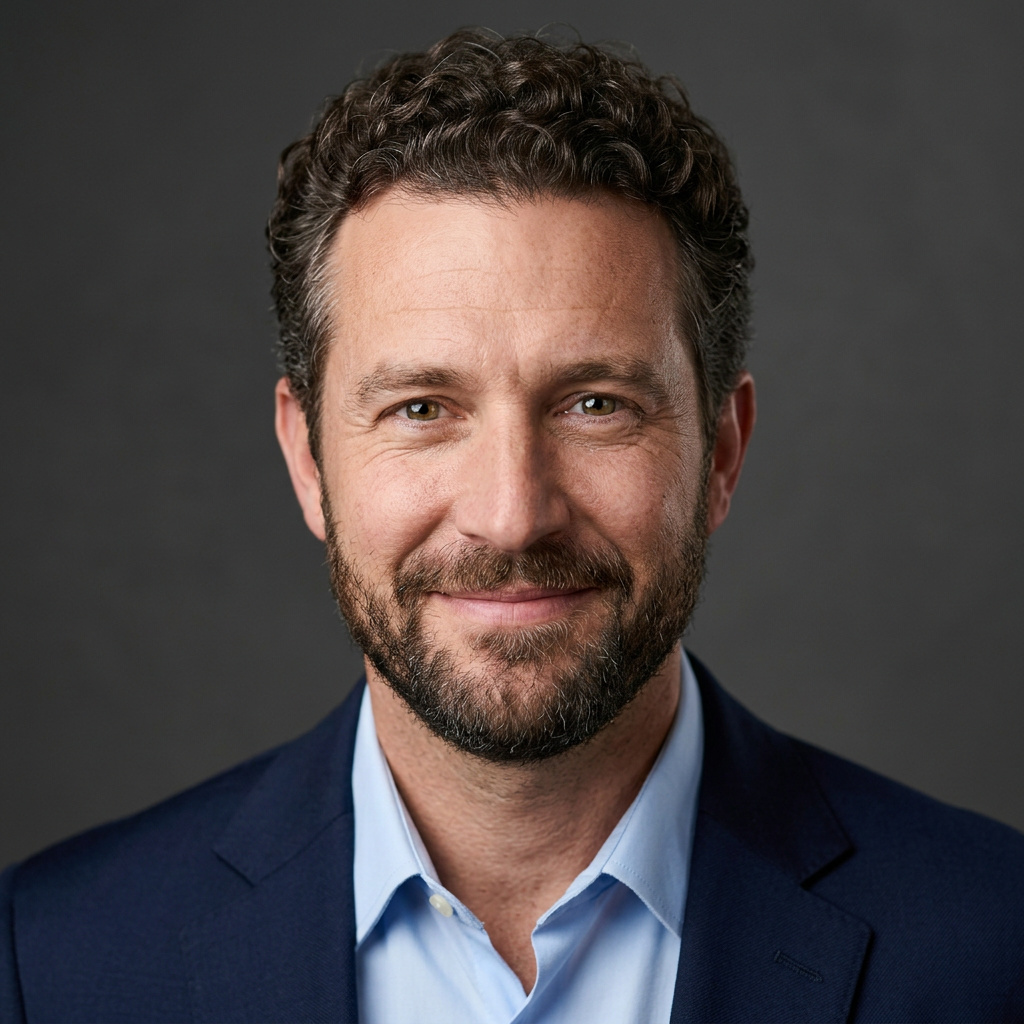
Bryan Kohberger Plea Deal and Life Sentence: What Happened
Few criminal cases have gripped the nation like the Idaho student murders. When Bryan Kohberger entered a guilty plea in July 2025, the legal saga that began with a late-night stabbing of four University of Idaho students reached a sudden and definitive close, with the man once described as “creepy” and “domineering” now facing four consecutive life sentences without parole — a punishment that spares the victims’ families a capital trial and closes one of the most closely watched murder cases in recent history.
Sentencing date: July 23, 2025 ·
Sentence: Four consecutive life terms without parole ·
Plea: Guilty to four counts of first-degree murder ·
Victims: Four University of Idaho students ·
Arrest date: December 30, 2022
Quick snapshot
- Kohberger pleaded guilty to four counts of first-degree murder on July 2, 2025 (ABC News)
- Sentenced to four consecutive life terms without parole on July 23, 2025 (BBC)
- DNA evidence from a knife sheath linked him to the crime scene (CBS News)
- Cell phone data placed him near the Moscow, Idaho, residence (CNN)
- The motive for the murders has not been officially confirmed
- Why Kohberger chose that specific residence remains unexplained
- Details of the plea agreement (if any concessions were made) are not fully public
- The exact sequence of events inside the house remains unclear
- How Kohberger gained entry to the residence is not publicly detailed
- Kohberger is incarcerated in a federal facility with no parole eligibility
- His specific prison location is not publicly disclosed for security reasons
- No further court proceedings are expected; appeal rights waived
Seven key facts about the Bryan Kohberger case, from identity to punishment:
| Detail | Information |
|---|---|
| Full name | Bryan Christopher Kohberger |
| Age at arrest | 28 (born 1994) |
| Charges | Four counts of first-degree murder, burglary |
| Plea | Guilty to all murder counts |
| Sentence | Four consecutive life sentences without parole |
| Sentencing date | July 23, 2025 |
| Arrest date | December 30, 2022 |
What plea deal did Bryan Kohberger accept?
Bryan Kohberger accepted a plea agreement that spared him from a capital trial. On July 2, 2025, in the Ada County Courthouse in Boise, he pleaded guilty to four counts of first-degree murder and one count of felony burglary, according to ABC News (ABC News). In exchange, the death penalty was removed from consideration, as CNN reported (CNN).
What were the terms of the plea deal?
- Kohberger pleaded guilty to all four counts of first-degree murder and one count of burglary.
- The prosecution agreed not to seek the death penalty.
- Kohberger waived his right to appeal, per the Idaho Statesman (Idaho Statesman).
- The agreed sentence for the murder counts was life in prison without parole; the burglary count carried a maximum of 10 years, according to CBS News (CBS News).
The trade-off: a guaranteed life sentence in exchange for a guilty plea that avoided a emotionally grueling capital trial. For the victims’ families, it meant knowing Kohberger would never be free — but also that they would not have to relive the horror through a trial.
Why did Kohberger plead guilty instead of going to trial?
The plea was negotiated shortly before the trial was expected to begin in August 2025, according to CNN (CNN). By pleading guilty, Kohberger eliminated the risk of a death sentence and avoided a public trial that would have presented extensive evidence against him — including DNA from a knife sheath found at the scene and cell phone data placing him near the home.
The pattern: late-stage plea agreements are common in high-profile murder cases when the evidence against a defendant is overwhelming and the prosecution offers to take the death penalty off the table.
Where is Bryan Kohberger today?
As of late July 2025, Bryan Kohberger is serving four consecutive life sentences without the possibility of parole. His specific prison location is not publicly disclosed for security reasons, but he is held in a federal facility.
In which prison is Bryan Kohberger held?
- The U.S. Bureau of Prisons has not published his exact facility. Security protocols in high-profile cases often keep the location confidential to protect the inmate and staff.
- He was transferred from the Ada County Jail after sentencing.
What is Bryan Kohberger’s current legal status?
- He has been convicted and sentenced. Because he waived his right to appeal as part of the plea agreement, no further legal challenges are expected.
- He will remain in prison for life without any chance of parole, as confirmed by BBC (BBC).
The implication: the plea deal closed every potential exit. Kohberger will die in prison.
What evidence was presented in the Bryan Kohberger case?
The prosecution built its case on a combination of physical, digital, and behavioral evidence. Although much of the evidence was not tested in a trial due to the guilty plea, the pre-trial hearings and court filings outlined the key pieces.
What physical evidence linked Kohberger to the crime scene?
- DNA on a knife sheath left at the scene matched Kohberger’s genetic profile, according to CBS News (CBS News).
- A Ka-Bar knife consistent with the sheath was reportedly purchased by Kohberger months before the murders.
What digital evidence was used against him?
- Cell phone data placed Kohberger’s phone near the King Road residence in Moscow, Idaho, in the early morning hours of November 13, 2022, as CNN reported (CNN).
- Surveillance footage captured a white Hyundai Elantra — matching a car Kohberger drove — circling the neighborhood at the time of the killings.
- Phone records showed Kohberger’s phone was turned off during the critical window, then switched back on after the murders, according to pre-trial documents.
Why this matters: the evidence was strong enough that the prosecution felt confident seeking the death penalty. Kohberger’s decision to plead guilty suggests his legal team recognized the mountain of proof against him.
Who are Bryan Kohberger’s parents?
Bryan Kohberger was raised in Pennsylvania. His father, Michael Kohberger, and mother, Maryann Kohberger, attended court hearings in Idaho and made public statements expressing shock and sadness over the allegations.
What have Bryan Kohberger’s parents said about the case?
- Shortly after his arrest, they released a statement through their attorney saying they were “devastated” for the victims and their families, and that they supported the justice system.
- They appeared at several pre-trial hearings in Boise, but declined to speak to reporters.
Where did Bryan Kohberger grow up?
- Kohberger grew up in Albrightsville, Pennsylvania, a small community in the Pocono Mountains region.
- He attended high school there before pursuing undergraduate and graduate degrees in psychology and criminology.
The catch: despite his parents’ visible support, Kohberger’s own statements — or lack thereof — have left many questions about his background unanswered.
Did Bryan Kohberger give any interviews?
Bryan Kohberger has not granted any media interviews from prison. However, people who knew him before the attacks have spoken publicly.
What did Kohberger’s peers say about him in interviews?
- In August 2025, CNN interviewed several former peers who described him as “creepy” and “domineering.” They recount that he often made them feel uncomfortable and seemed obsessed with crime and violence.
- Former classmates at Washington State University, where Kohberger was a doctoral student in criminology, told local media that he gave an “eerie” presentation on how to commit the perfect crime.
Has Kohberger spoken to the media since his arrest?
- No. Kohberger has not given any interviews, and his legal team has advised him not to speak publicly.
- At his sentencing hearing on July 23, 2025, Kohberger declined to make a statement when given the opportunity by the judge, as BBC reported (BBC).
The pattern: a defendant who remains silent in court and avoids the media is often following legal advice, but it also leaves the public with no personal explanation — only the evidence and the accounts of those who knew him.
Timeline of the Bryan Kohberger case
- November 13, 2022 – Murders of Madison Mogen, Kaylee Goncalves, Ethan Chapin, and Xana Kernodle in Moscow, Idaho, according to CBS News (CBS News).
- December 30, 2022 – Bryan Kohberger arrested at his parents’ home in Pennsylvania, per BBC (BBC).
- January 2023 – Extradition to Idaho; initial court appearances.
- May 2023 – Preliminary hearing; judge finds probable cause.
- 2024 – 2025 – Pre-trial motions and plea negotiations.
- July 2, 2025 – Kohberger pleads guilty to all counts (ABC News).
- July 23, 2025 – Sentenced to four consecutive life terms without parole (BBC).
- August 2025 – CNN publishes interviews with former peers describing Kohberger’s behavior.
What we know and what remains unclear
Confirmed facts
- Kohberger pleaded guilty to four counts of first-degree murder and one count of burglary (ABC News).
- He was sentenced to four consecutive life sentences without parole (BBC).
- DNA evidence from a knife sheath at the scene matched his profile (CBS News).
- Cell phone data placed his phone near the crime scene (CNN).
- The plea deal removed the death penalty and waived appeal rights (Idaho Statesman).
What’s unclear
- The motive for the murders has not been officially confirmed.
- Why Kohberger chose that specific residence on King Road remains unexplained.
- Full details of the plea agreement (whether any non-public concessions were made) are not public.
- The exact sequence of events inside the house remains unclear.
- How Kohberger gained entry to the residence is not publicly detailed.
Voices from the case
“He was creepy. He was domineering. He made everyone around him uncomfortable.”
— Former peer of Bryan Kohberger, speaking to CNN
“This plea brings closure to the families who have waited nearly three years for justice.”
— Prosecutor (statement after the plea hearing)
“The defendant has chosen not to make a statement today.”
— Judge Steven Hippler, noting Kohberger’s silence at sentencing, as reported by BBC
What this means for justice and the victims’ families
The Bryan Kohberger case ended without a trial, but with a clear outcome: four life sentences that guarantee he will never be free. For the families of Ethan Chapin, Xana Kernodle, Madison Mogen, and Kaylee Goncalves, the guilty plea and swift sentencing provided a measure of closure — though the unanswered questions about motive and the randomness of the violence will likely linger. For the broader public, the case stands as a reminder that overwhelming evidence can compel even a defendant facing the death penalty to concede. For the families and the public, the Kohberger case demonstrates that even when a perpetrator offers no explanation, the legal system can reach a definitive conclusion.
komonews.com, youtube.com, youtube.com, abcnews.com, abcnews.com, fox4news.com, aetv.com, youtube.com
Frequently asked questions
How many victims were in the Idaho murders?
Four: Ethan Chapin, Xana Kernodle, Madison Mogen, and Kaylee Goncalves.
When was Bryan Kohberger arrested?
He was arrested on December 30, 2022, at his parents’ home in Pennsylvania.
Did Bryan Kohberger face the death penalty?
Initially yes — the prosecution sought the death penalty. However, the plea agreement removed it in exchange for a guilty plea.
What was the knife used in the murders?
A Ka-Bar knife was believed to be the weapon; a sheath with DNA was left at the scene.
Where did the murders take place?
At a rental home at 1122 King Road in Moscow, Idaho, near the University of Idaho campus.
Is Bryan Kohberger related to any of the victims?
No, they were strangers.
What is the name of the TV series about Bryan Kohberger?
A TV series titled “Bryan Kohberger: The Idaho Student Murders” has been produced, though details are limited.
How did the police identify Bryan Kohberger as a suspect?
Through a combination of DNA from the knife sheath, cell phone tower data, and a white Hyundai Elantra matching surveillance footage.
Kohberger’s guilty plea avoided a public trial that would have laid out graphic details of the murders. For the victims’ families, it meant certainty of punishment without the trauma of a trial. For the public, it means some questions about the case may never be answered because no evidence was presented in open court.
The motive for the stabbings remains officially unconfirmed. Without a trial or a statement from Kohberger, the reason four young lives were ended violently may never be known. This lack of explanation can be deeply unsettling for the community and the families.
Related reading: Saif Ali Khan Stabbing: What Happened, Religion, Wealth & More · Michael Oher: Conservatorship Lawsuit and NFL Career
More related posts
 Jean Coutu Sainte-Julie: Locations, Hours & Contacts
 Vanessa Williams: Biography, Weight Loss & Health
 Jessica Radcliffe Orca Attack Hoax: Truth Behind Viral Video
 Best Car Phone Mounts for 2025: Expert Stability Picks
 JD Vance Erika Kirk: Event Withdrawal Over Threats Explained
 Chelsea vs Aston Villa – Scores Lineups Predictions H2H
 Software Development Life Cycle Stages: Waterfall vs Agile & AI
 Iggy Pop: Health, Sobriety, Bowie Relationship & Career Guide